Serving Littleton & Arapahoe County, CO
Fire cleanup help for Littleton homes
After the fire is out, a fast estimate can help secure the property, document the damage, and keep your claim moving.
Serving Littleton & Arapahoe County, CO
After the fire is out, a fast estimate can help secure the property, document the damage, and keep your claim moving.
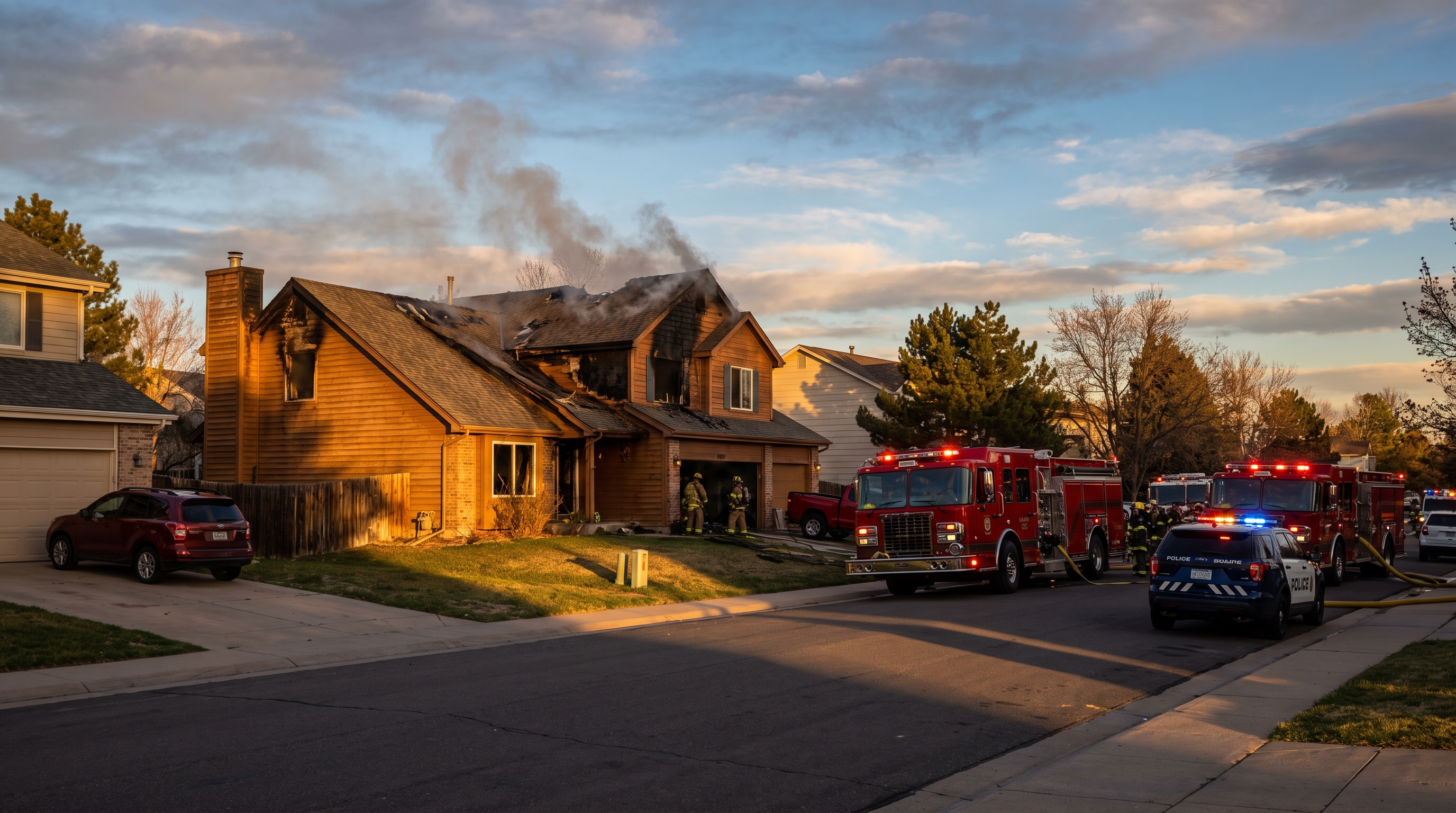
A house fire in Littleton rarely stops at the room where it started. Dry air, wind, and high altitude conditions can push smoke through attic spaces, HVAC runs, and wall cavities before the flames are fully controlled. Once firefighters leave, the property still needs board-up, tarping if the roof is open, moisture control, and a clean record of what was damaged.
Littleton sits close to open space, foothill corridors, and neighborhoods where red flag warnings are part of the summer rhythm. The Marshall Fire in December 2021 changed how many Front Range homeowners look at fire risk and insurance paperwork. Even when the loss starts as a kitchen fire or an electrical fire, smoke can concentrate in fabrics, insulation, cabinets, and ductwork because Colorado air is so dry.
Many Littleton homes were built from the 1970s through the 1990s, and older insulation, adhesives, floor coverings, and finishes can produce heavy residue when burned. Cleanup crews need to separate structural fire damage from smoke, soot, odor, contents, and water damage from firefighting. That matters because each category may be handled differently in the insurance scope.
Littleton Fire Damage Restoration connects homeowners with licensed restoration contractors who can inspect the loss, stabilize the structure, and coordinate documentation for carriers common in the area, including State Farm, USAA, Farmers, and Chubb. Colorado claim response rules give carriers deadlines, but the quality of your first scope still matters.
Local fire losses need contractors who know the south Denver metro, not a call center guessing from a script. Littleton properties can have split-level layouts, finished basements, attached garages, older mechanical systems, and premium contents that need careful inventory before anything gets hauled away.
The contractors we connect you with look beyond the obvious burn area. They check soot migration, HVAC contamination, wet drywall from firefighting water, odor reservoirs, and roof openings that need temporary protection. That level of documentation helps before the adjuster visit and during supplements if the first estimate misses hidden damage.
More about us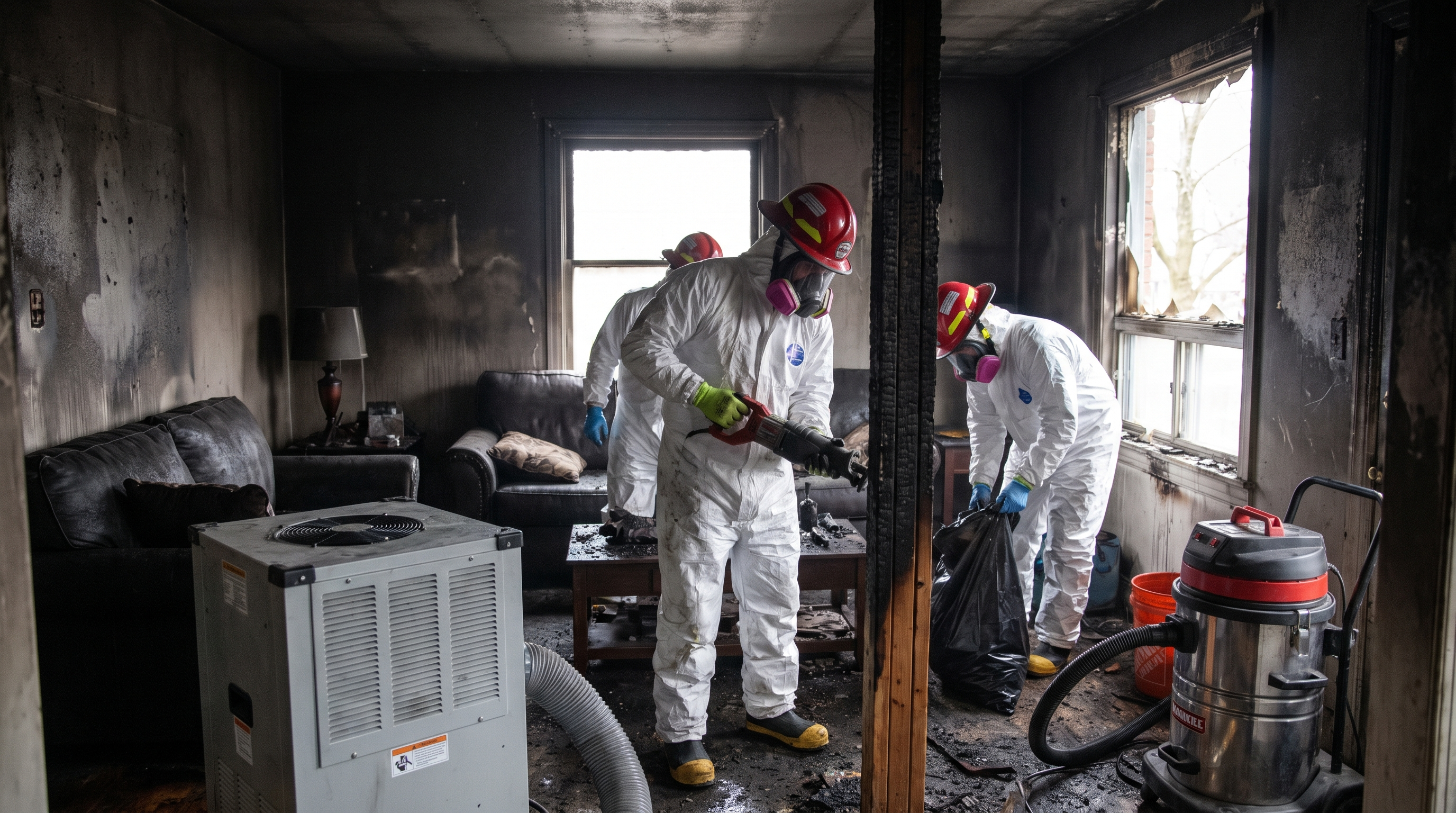
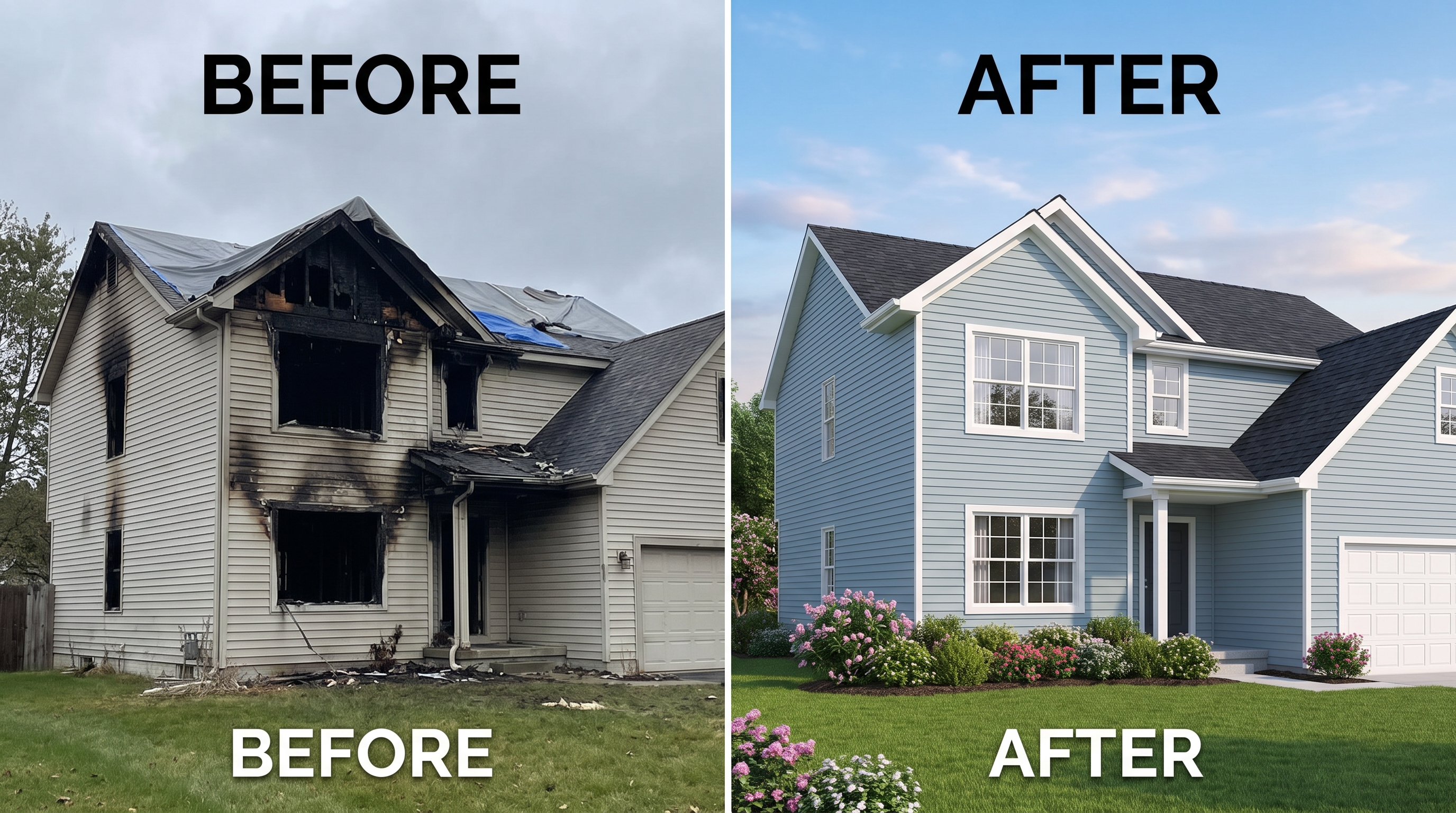
Fire restoration in Littleton often involves several scopes at once. The right contractor can stabilize the home, clean smoke and soot, dry water-damaged areas, and document contents without losing time between trades.
Detailed fire inspections document structural damage, smoke spread, moisture, contents loss, and insurance scope needs.
Learn more →Specialized cleaning removes acidic soot, smoke residue, and contamination from surfaces, ducts, and hidden pathways.
Learn more →Fast drying after fire suppression helps protect framing, drywall, flooring, cabinets, and basements from secondary damage.
Learn more →Contents restoration helps document, clean, pack out, store, or replace personal property affected by fire, smoke, soot, and water.
Learn more →Odor elimination targets smoke reservoirs in porous materials, HVAC pathways, contents, and structural surfaces.
Learn more →Emergency board-up and roof tarping help secure fire-damaged properties from weather, trespass, animals, and additional claim damage.
Learn more →Service is available throughout Littleton and the surrounding south metro communities, including Englewood, Centennial, Highlands Ranch, Parker, and Castle Rock. These towns share the same Front Range fire pressure: dry air, wind, attached garages, finished basements, and fast-moving smoke through modern duct systems.
Arapahoe County homes vary from older brick ranches near established corridors to larger properties near open space. The referral process accounts for that spread by matching callers with contractors suited to the structure, claim size, carrier requirements, and urgency of the loss.
See all service areas
Dry air, wind exposure, and high altitude change how smoke and moisture behave after a fire. Contractors inspect for deeper soot migration, faster odor bonding, and drying needs that differ from lower elevation markets.
A good scope protects the claim before debris is removed. Photos, contents notes, affected-room mapping, and moisture readings help the adjuster see damage that may not be obvious during a short site visit.
Water damage can become the largest cost after a structure fire. Fast drying, dehumidification, and demolition decisions help reduce mold risk and keep the restoration plan from stalling.
Highlands Ranch, Castle Rock, and west Littleton homes often have significant electronics, furniture, art, clothing, and stored personal property. Contents inventory and pack-out decisions need care before disposal.
Call as soon as the fire department clears the property for next steps. Board-up, tarping, drying, and documentation usually need to begin within the first day or two. Waiting can let soot etch surfaces and let firefighting water spread into framing, flooring, and basement areas.
Colorado residential fire claims often fall from $50,000 to $180,000, with higher losses near wildfire interface areas or in larger homes. A contained smoke cleanup can be much less than a partial rebuild. Your deductible, policy terms, and final approved scope determine the out-of-pocket cost.
Yes, especially if the adjuster visit is already scheduled. A restoration contractor can point out smoke in ductwork, wet assemblies from firefighting, odor sources, and contents damage that may not make the first estimate. Supplements are common when the first Xactimate scope misses hidden conditions.
Littleton Fire Damage Restoration connects callers with licensed contractors serving Arapahoe County and nearby communities. Ask the matched contractor for proof of insurance, licensing details, and any specialty certifications before authorizing work.
For light smoke in a small area, limited access may be possible after clearance. For heavy soot, odor, wet materials, or electrical damage, staying in the home is usually a bad idea because air quality and contractor access become real problems. Many policies include Additional Living Expense coverage for temporary housing.
No obligation. Most urgent calls can be routed for same-day inspection after the structure is cleared.
Free — no obligations