Littleton's Fire Damage Assessment Specialists
Fire assessments that catch hidden damage
Get the damage mapped before cleanup removes evidence your insurance carrier may need.
Littleton's Fire Damage Assessment Specialists
Get the damage mapped before cleanup removes evidence your insurance carrier may need.
A proper assessment starts at the fire origin, then moves outward room by room. In Littleton homes, smoke often moves into attics, finished basements, attached garages, closets, and ductwork before anyone sees it. Soot deposits can be light gray, oily, acidic, or protein-based depending on what burned.
Contractors check structure, surfaces, air pathways, insulation, electrical exposure, and wet materials left after firefighting. They also document contents before cleaning or disposal. That matters for homes with high value furniture, electronics, outdoor gear, art, and stored property.
The assessment should also separate emergency work from rebuild work. Board-up, tarping, debris control, drying equipment, and safety hazards may need immediate action, while repairs wait for adjuster review and authorization.
For Littleton and Arapahoe County claims, photo logs, moisture readings, and a clear affected-area map can help the carrier respond within Colorado's claim timeline and reduce supplement disputes later.
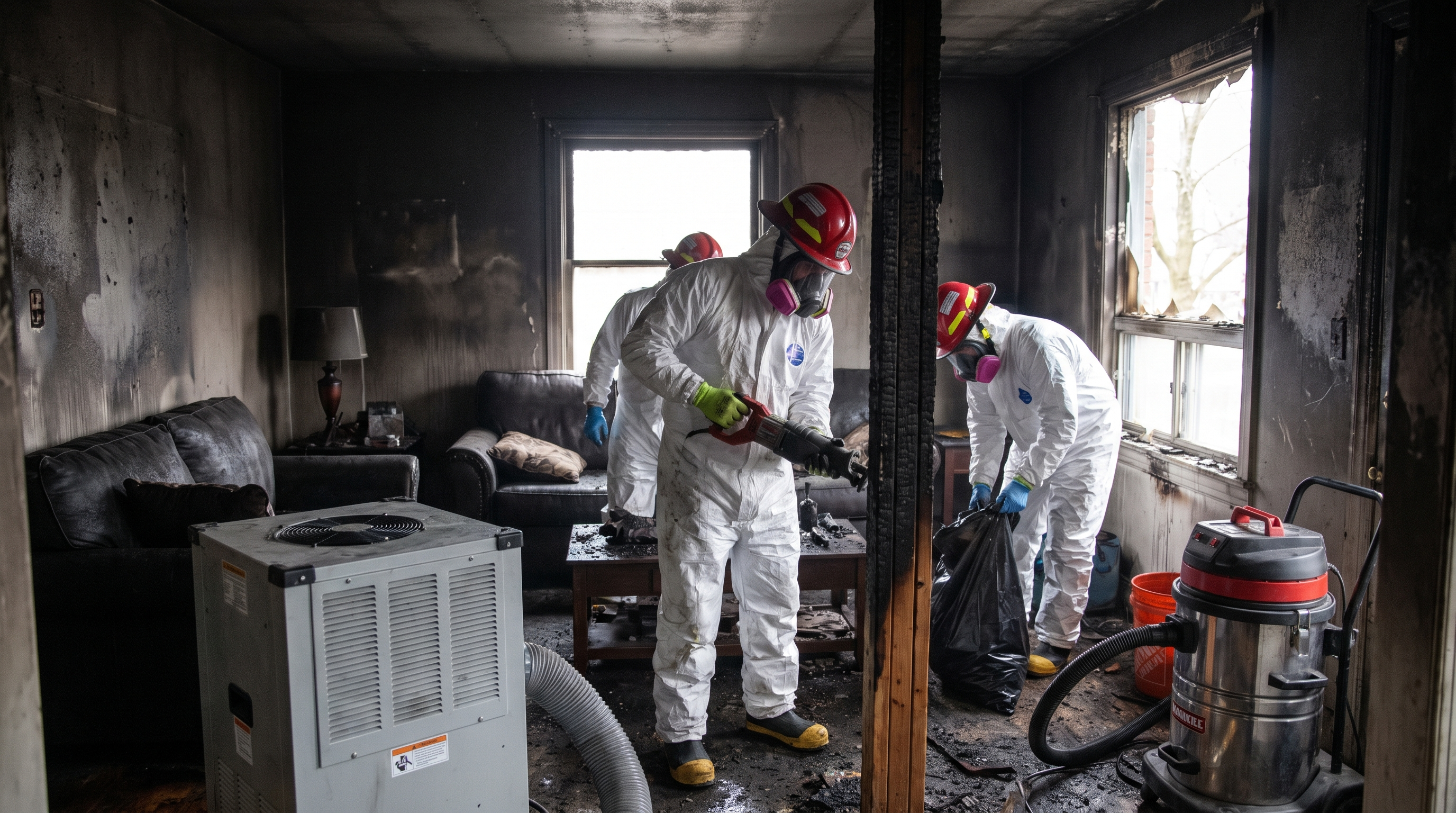
The inspection builds a factual record of the loss before the property changes. That record guides emergency stabilization, cleanup, and the insurance scope.
The contractor identifies the likely burn area and tracks how smoke, heat, and soot moved through the home. This includes adjacent rooms, attic spaces, HVAC returns, stairwells, and basement transitions.
Firefighting water can soak drywall, subflooring, insulation, trim, and cabinets. Moisture meters and visual checks help decide what can dry in place and what needs removal.
Photos, room notes, contents observations, and immediate stabilization recommendations are organized for claim use. A contractor can compare this record against the adjuster's first scope.
Drying equipment and readings can behave differently in Colorado's elevation and dry air. Contractors account for that instead of using assumptions from humid markets.
Smoke, odor, water, and contents damage can exceed the visible burn area. The assessment looks for those categories before the first estimate locks in too narrow.

Start with a documented inspection before authorizing major cleanup.
Free — no obligations
The contractor confirms the fire department has cleared the property and identifies unsafe entry areas, electrical concerns, roof openings, and structural hazards.
Photos, notes, soot patterns, odor conditions, and affected materials are recorded throughout the home, not just at the burn source.
Water damage from firefighting is checked with meters, and contents are flagged for cleaning, pack-out, disposal, or separate inventory.
The contractor explains emergency priorities, likely restoration phases, and insurance documentation needs before work begins.